
The e-commerce landscape is evolving at a breakneck pace, and customer expectations are higher than ever before. Today’s modern consumers do not just shop through a single channel; they browse on their mobile devices, add items to their carts on desktop computers, and sometimes even finalize their purchases in physical brick-and-mortar stores. This interconnected shopping behavior means that businesses must adapt by providing a seamless, unified experience across every single touchpoint.
If your business is still relying on fragmented systems that treat each sales channel as a separate entity, you are likely losing out on significant revenue and frustrating your potential buyers. To stay competitive, adapting your financial infrastructure is no longer optional; it is an absolute necessity for long-term survival in this space.
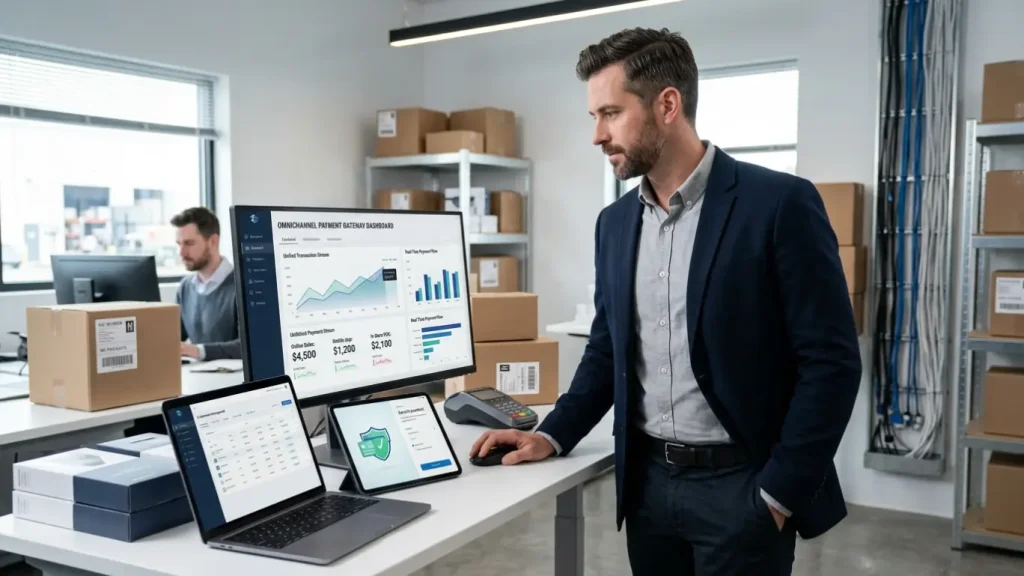
This is precisely where modern payment solutions come into play, bridging the gap between digital and physical commerce. By integrating an omnichannel payment gateway, merchants can effortlessly consolidate transactions from mobile apps, websites, and in-store point-of-sale systems into one centralized dashboard.
This not only simplifies backend accounting but also ensures that the customer experiences a frictionless checkout process regardless of how or where they choose to buy. In this article, we will explore the core benefits of this technology and why it is the ultimate tool for scaling your retail operations in today’s highly competitive digital marketplace.
Seamless Customer Experience Across All Touchpoints
In the modern retail environment, a fragmented checkout process is the fastest way to increase cart abandonment rates. Customers expect to start a transaction on one device and seamlessly finish it on another without having to re-enter their billing details or create new accounts. An integrated payment system completely removes these frustrating barriers by recognizing returning customers across all platforms.
Whether a buyer is using a smartphone application, browsing your main website, or standing at a physical checkout counter, the transaction process feels identical and deeply intuitive. This consistent, frictionless journey significantly boosts buyer confidence and satisfaction. When shoppers know that buying from your brand is quick and hassle-free, they are far more likely to complete their current purchase and return for future shopping sprees, directly impacting your bottom line.
Centralized Data Management and Actionable Analytics
Managing multiple separate payment processors for online and offline sales creates massive administrative headaches and leads to inaccurate financial reporting. When your sales data is scattered across different platforms, understanding your true business performance becomes a time-consuming nightmare. Implementing a unified payment solution solves this problem by funneling all transaction data into a single, comprehensive dashboard. This centralized approach allows business owners to track inventory, monitor daily revenue, and analyze customer purchasing behaviors in real-time.
Having access to this unified analytics stream empowers you to make data-driven decisions, optimize your marketing campaigns, and identify which sales channels are generating the highest return on investment. Ultimately, this level of deep operational visibility reduces accounting errors, saves countless hours of manual data entry, and helps you strategize for scalable growth.
Enhanced Security and Advanced Fraud Prevention
Security is the cornerstone of any successful e-commerce operation, and protecting sensitive customer data should always be a top priority. Utilizing disjointed payment systems increases your vulnerability to cyber threats, as each separate platform represents a potential entry point for hackers. A unified payment solution mitigates these risks by providing robust, enterprise-level security protocols across your entire sales ecosystem. These modern gateways utilize advanced tokenization and end-to-end encryption to ensure that credit card information is never stored directly on your servers.
Furthermore, they feature sophisticated machine learning algorithms that monitor cross-channel behavior to detect and block fraudulent transactions before they can cause financial damage. By maintaining strict PCI-DSS compliance across all touchpoints, you not only protect your hard-earned revenue but also build invaluable trust with your customer base.
Improved Inventory Tracking and Order Fulfillment
One of the biggest challenges for expanding retail businesses is keeping inventory levels accurately synced between physical stores and digital storefronts. Selling an item online that was just purchased by a walk-in customer leads to canceled orders, negative reviews, and severe brand damage. A unified processing gateway works in perfect harmony with your inventory management software to instantly update stock levels the moment a transaction is approved, regardless of the channel.
This real-time synchronization allows businesses to offer flexible fulfillment options, such as “buy online, pick up in-store” (BOPIS) or direct-to-door delivery from the nearest warehouse. By streamlining these logistical operations, you ensure that customers always have access to accurate product availability, thereby enhancing their overall shopping experience and preventing costly inventory discrepancies that hurt profitability.
Boosted Customer Loyalty and Repeat Purchases
Building long-term customer loyalty requires more than just offering great products; it requires delivering a personalized and rewarding shopping experience. With a unified payment infrastructure, you can easily implement cross-channel loyalty programs and digital gift cards that work seamlessly online and offline. If a customer earns reward points through a mobile app purchase, they can instantly redeem those points during an in-store visit without any technical friction.
This interconnected rewards system heavily incentivizes repeat business and makes your customers feel genuinely valued. Furthermore, the rich data collected from all transactions allows you to send highly targeted, personalized promotions based on their complete purchase history. By rewarding your buyers consistently across every medium, you transform one-time shoppers into dedicated brand advocates who drive sustainable, long-term revenue growth.
Final Thoughts
Transitioning to a unified commerce strategy is no longer a futuristic concept; it is the current standard for retail success. By breaking down the barriers between your digital and physical storefronts, you empower your customers to shop exactly how they want to. The operational efficiencies, enhanced security, and rich data insights provided by a modern payment infrastructure are invaluable assets for any growing brand.
Investing in this technology today ensures that your e-commerce business remains highly adaptable, incredibly resilient, and perfectly positioned to dominate the competitive market for years to come.
Frequently Asked Questions (FAQs)
What exactly is an omnichannel payment system?
It is a unified processing platform that seamlessly connects and manages transactions across all business channels, including physical stores, mobile applications, and e-commerce websites, providing a consistent experience.
Does integrating this system require extensive downtime?
No, most modern payment providers offer simple API integrations and dedicated support teams that ensure a smooth transition with zero to minimal disruption to your daily business operations.
Is this technology suitable for small businesses?
Absolutely. While large retailers utilize it, small businesses benefit immensely from centralized reporting, reduced administrative overhead, and the ability to offer enterprise-level checkout experiences to their customers.
Can it help reduce cart abandonment rates?
Yes. By offering a frictionless, fast, and familiar checkout experience across all devices, customers encounter fewer hurdles, which directly lowers the chances of them abandoning their shopping carts.
Will this solution work with my existing e-commerce platform?
Leading payment gateways are specifically designed to integrate flawlessly with major e-commerce platforms like Shopify, WooCommerce, and Magento, ensuring full compatibility with your current technological stack.