
Financial websites rely on trust. Whether a page explains savings accounts, compares investment products, discusses market movements, or introduces a banking service, readers expect the information to be accurate. The same expectation applies to the images used alongside that information.

Artificial intelligence has made it easier to create professional-looking financial visuals without arranging a photoshoot or commissioning every illustration from a designer. A publisher can generate an image of a modern bank interior, a person reviewing household expenses, or an abstract representation of the stock market in minutes.
The convenience comes with a responsibility. An image generated by AI can look realistic while containing details that were never verified. A trading screen may display fictional prices, a savings account may show an invented balance, and a chart may suggest a financial result that never occurred.
For financial publishers, the distinction between an illustration and a factual representation matters. Readers may use a combination of text, photographs, charts, and interface screenshots to decide whether a service is credible or whether a financial claim deserves their attention.
AI-generated imagery can support that experience, but it should never replace verified financial information. The safest approach is to decide what the image needs to communicate, separate creative elements from factual details, and review the finished visual before publication.
Why Financial Websites Need a Different Approach to AI Images
Images serve several purposes on a financial website. They can introduce an article, explain an unfamiliar concept, make a product page more engaging, or help readers understand an otherwise technical subject.
However, financial content carries a particular risk: realistic visual details can be interpreted as evidence.
Consider an article explaining how savings accounts work. An illustration of a person reviewing their finances is unlikely to create confusion. A realistic image of a banking application displaying a specific balance or interest rate presents a different problem. Readers may assume the figures belong to a real product, even when the image was generated entirely by an AI model.
The same issue appears in investment content. A fictional stock chart can look like a genuine market screenshot, while an invented portfolio dashboard might suggest performance that a publisher cannot substantiate.
These problems are not limited to numerical errors. An AI-generated bank interior could be mistaken for an actual branch. A synthetic customer could be interpreted as someone who has used a service. An invented company logo might make an illustration appear to come from an established financial institution.
The risk depends on the context, the realism of the image, and the impression it creates.
Financial publishers should therefore evaluate generated visuals according to three questions:
- Accuracy: Does the image contain numbers, names, logos, or other details that need to be verified?
- Context: Could readers mistake the illustration for a real customer, product, transaction, or financial result?
- Transparency: Does the page make the nature of the image clear when that distinction matters?
These checks help preserve the difference between a visual that explains an idea and one that appears to prove a claim.
What AI Image Generators Can Actually Do
Text-to-image technology has changed the way publishers approach visual content. Instead of starting every project with a photoshoot, a stock image search, or a detailed design brief, a writer or marketer can describe a scene and generate several possible directions.
A prompt might request an illustration of a small business owner reviewing monthly expenses, a conceptual image of digital payments, or a clean background for an article about household budgeting.
This makes it easier to explore different compositions, lighting styles, colors, and visual themes before deciding which direction suits the page.
AI-generated imagery can be useful for:
- Featured images for financial education articles
- Conceptual illustrations of banking and payment technology
- Editorial visuals for budgeting and saving guides
- Backgrounds for newsletters and marketing campaigns
- Images explaining broad financial concepts
- Early-stage product mockups and creative concepts
- Decorative visuals for pages that do not require documentary evidence
The main benefit is creative flexibility. Smaller publishers can develop visuals that fit their subject matter without needing a custom photograph for every article.
However, image generation does not automatically provide factual accuracy. A model can produce a convincing financial interface without understanding whether its interest rate, account balance, or transaction history is correct.
A prompt that requests a realistic investment dashboard does not guarantee that the displayed figures correspond to actual market data. Similarly, asking for a professional banking interface does not ensure that the resulting labels, symbols, or account details will be correct.
The output should be treated as a draft visual that needs review, not as a finished source of information.
Keep Financial Figures Separate From Generated Artwork
Numbers require particular attention because even a small visual error can change the meaning of financial content.
A misplaced decimal point, an incorrect currency symbol, or a fabricated percentage can make an otherwise attractive image misleading. The problem becomes more serious when the figure appears to represent an interest rate, investment return, loan payment, account balance, or product fee.
For example, a publisher might prepare an article explaining compound interest and request an AI-generated image of a savings dashboard. The model could produce a plausible balance and annual percentage rate, but those values would not necessarily match the example in the article.
If readers interpret those figures as genuine, the illustration could undermine the accuracy of the page.
A more reliable workflow separates image creation from numerical presentation.
First, generate the visual environment without relying on the model to supply important figures. Next, add any required text, numbers, labels, and financial data using a design application or another controlled layout process. Finally, compare the finished image with the source information.
This approach gives the publisher control over the details that matter most.
Use verified data for charts and financial dashboards
Charts, tables, and trading interfaces should follow a stricter process than decorative illustrations.
If an article includes historical stock prices, interest-rate comparisons, investment returns, or savings projections, the underlying values should come from verified data or clearly identified hypothetical examples.
A generated image can provide a background or a conceptual setting, but it should not determine the values displayed in a factual chart.
For example, a publisher can create a clean visual theme for an investment explainer and then build the actual chart from a spreadsheet or charting tool. This keeps the visual presentation flexible while preserving control over the data.
The same principle applies to financial calculators, loan comparisons, and product screenshots. The calculations should come from the relevant formulas or verified product information, not from the image generator.
Choose an AI Image Workflow That Fits the Project
Not every financial image needs the same production process. An abstract illustration for an educational article has different requirements from a screenshot demonstrating how a payment application works.
The first step is to identify the purpose of the visual.
If the goal is to explain an idea, a conceptual image may be sufficient. If the image must demonstrate a particular feature, the actual product interface may be more appropriate. If the image needs to communicate precise financial information, verified data and a controlled design process should determine what appears on screen.
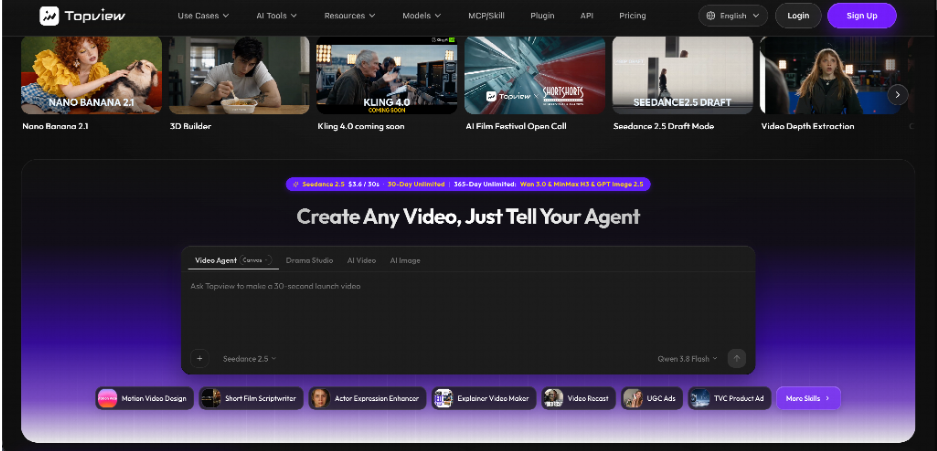
For publishers creating campaign imagery, product concepts, or supporting visuals, Topview can serve as part of an AI-assisted creative workflow. A project can begin with a description, script, reference material, or product page and develop into a visual that can be reviewed alongside the original brief.
Keeping the brief and creative output together can make revisions easier. A publisher can compare the intended message with the generated frame, identify inaccuracies, and refine the visual before using it in an article or campaign.
This is particularly useful when a team needs to explore several creative directions before settling on a final image.
Nevertheless, a creative workspace should not be confused with a financial data source, a charting platform, or a publishing system. Generating a visual does not verify the claims in the accompanying copy, calculate investment returns, or automatically make an article ready for publication.
The final review remains the publisher’s responsibility.
Check Text, Logos, and Interface Details Before Publishing
AI-generated images can contain small errors that are easy to overlook when reviewing the overall composition.
Text may appear convincing at first glance but contain misspelled words, incomplete labels, inconsistent characters, or fictional brand names. Financial interfaces can also include buttons that do not make sense, invented account information, and inconsistent currency formatting.
These details matter because readers often associate polished presentation with credibility.
A generated image of a banking application may look professional even when its interface contains several inaccuracies. If the image appears next to a product review or comparison, those inaccuracies can make the content seem more authoritative than it actually is.
A careful review should cover the entire image, not just its central subject.
Check:
- Account balances and currency symbols
- Interest rates and percentages
- Company names and logos
- Headings and interface labels
- Dates and transaction details
- Chart axes and legends
- Buttons and navigation elements
- Fine print and small text
- Unexpected objects or visual inconsistencies
If exact wording or branding is necessary, add it after image generation using a design tool that provides reliable control over typography and placement.
If the visual needs to show a real product, use an approved screenshot or an authorized product asset whenever possible. A fictional interface should not be presented as a faithful representation of a real service.
Make the Difference Between a Concept and a Real Photograph Clear
Realistic AI imagery creates another challenge: readers may not know whether they are looking at an actual photograph or a synthetic scene.
This distinction becomes important when an image appears to document a real event, location, customer experience, or business result.
A conceptual image of a person checking household expenses generally communicates a broad idea. A realistic image presented as a photograph of a bank customer discussing a loan may imply an event that never happened.
Similarly, a generated branch interior should not be used to suggest that a financial institution operates from that specific location. A synthetic customer should not be presented as a real testimonial, and a fabricated portfolio screenshot should not be used to imply actual investment performance.
Publishers should consider whether a reasonable reader could misunderstand the image’s origin or meaning.
When that risk exists, a clear disclosure can help. Depending on the context, a caption such as “AI-generated illustration” may be sufficient to explain that the scene is conceptual rather than documentary.
The label should be visible and appropriate to the page. It should not be used as an excuse to publish misleading claims.
Disclosure requirements can also vary by jurisdiction, platform, and intended use. Financial publishers should review the rules that apply to their particular content rather than assuming one labeling approach covers every situation.
Protect Brand Identity and Customer Trust
Financial brands depend on consistent presentation. Their logos, colors, product names, and interface designs help readers recognize the services being discussed.
AI-generated visuals can introduce inconsistencies into these elements.
A model may alter a logo, invent a similar-looking brand mark, or combine details from different interfaces. Even if the error is accidental, readers may associate the resulting image with the company named in the article.
This can create confusion, particularly on pages that compare financial products or discuss the services of specific institutions.
A practical approach is to separate creative artwork from official brand assets.
Use AI to generate the background, setting, or conceptual scene. Then add approved logos and product elements through a controlled design process, provided the publisher has permission to use them.
For articles discussing a specific banking application or financial platform, authentic screenshots and official product images are often more suitable than synthetic alternatives.
The same rule applies to people. If a campaign requires a real employee, customer, or spokesperson, the publisher should use an authorized photograph rather than presenting a generated person as that individual.
A realistic appearance does not establish a person’s identity, experience, or endorsement.
Consider Copyright, Licensing, and Commercial Use
An image that looks ready for publication is not automatically cleared for every commercial purpose.
Before using an AI-generated visual, publishers should check the terms of the service used to create it. Those terms may address commercial usage, ownership, account limitations, prohibited applications, and other conditions.
The rights associated with reference images, logos, photographs, and other supplied materials also deserve attention. Permission to use a particular source image should not be assumed simply because an AI tool can process it.
For financial publishers, these checks are especially relevant when images appear in advertisements, product landing pages, sponsored content, or campaigns promoting regulated services.
A sensible approval process should establish:
- Which tool or account generated the image.
- Whether the intended use is permitted under the applicable terms.
- Whether third-party assets or protected branding appear in the result.
- Whether the image could create a misleading impression.
- Whether any additional review or disclosure is necessary.
Keeping this information with the creative brief can make future revisions and content audits easier.
Optimize Financial Images for Website Performance and Accessibility
Image accuracy is only one part of publishing a good financial page. Visuals should also load efficiently and support readers using different devices and assistive technologies.
Large image files can slow down a page, particularly on mobile connections. Publishers should choose appropriate dimensions, compress files without unacceptable quality loss, and use suitable image formats for the website.
The image should also fit its intended position. A wide featured image may work well at the top of an article, while a smaller illustration may be more appropriate within a section explaining a particular concept.
Accessibility deserves the same attention.
Alternative text should describe the meaningful content or purpose of an image. If a visual is decorative, it should not be given a lengthy description that adds no useful information. If it communicates information that readers need, that information should also be available in the surrounding text or another accessible format.
For example, an abstract image illustrating digital payments may need only a short description. A chart containing actual financial figures requires an accessible explanation of the relevant data rather than a vague description of its colors and shapes.
Publishers should never rely on an image alone to communicate a critical financial warning, eligibility requirement, rate, fee, or calculation.
Build a Repeatable Review Process for AI-Generated Financial Images
A consistent workflow makes it easier to maintain quality across articles, product pages, newsletters, and marketing campaigns.
Instead of treating image review as a final visual check, publishers can incorporate it into their normal content production process.
Step 1: Define the image’s purpose.
Decide whether the visual is decorative, explanatory, promotional, or intended to represent a real product or event. This determines how much factual verification is needed.
Step 2: Identify details that must remain accurate.
List any essential names, numbers, logos, dates, financial figures, or product features. Determine which of these should be added separately rather than generated by the model.
Step 3: Create the initial visual.
Use a clear creative brief that describes the subject, composition, style, lighting, and intended placement. Avoid asking the model to invent financial data or make unsupported claims.
Step 4: Review the complete image.
Inspect small text, interface details, numbers, symbols, backgrounds, and objects that may not have been obvious in the first preview.
Step 5: Verify factual elements independently.
Compare all financial figures and product details against the relevant source material. Do not assume that realistic-looking content is accurate.
Step 6: Check the context and disclosure.
Ask whether a reader could mistake the image for a real customer photograph, actual trading screen, official interface, or documented result. Add appropriate clarification when necessary.
Step 7: Prepare the image for publication.
Check dimensions, file size, alternative text, captions, and placement. Confirm that the image supports the surrounding content rather than contradicting it.
Step 8: Keep the final review accountable.
The editor or publisher responsible for the page should approve the final image, particularly when the content concerns rates, financial products, investment performance, or customer experiences.
This process does not need to be burdensome. A simple checklist can prevent avoidable errors while allowing writers and designers to benefit from faster image production.
The Real Advantage of AI Imagery Is Creative Access
AI image generation has made it easier for publishers to explore visual ideas without organizing a photoshoot for every article.
That can be valuable for small editorial teams, independent websites, and marketing departments that need a steady supply of supporting images. A writer can test several visual concepts, compare their suitability, and develop a consistent creative direction before publication.
However, faster production does not remove the need for editorial judgment.
A financial website must distinguish between a visual that makes a concept easier to understand and one that appears to establish a fact. The former can benefit from creative experimentation. The latter needs verified information and appropriate evidence.
For publishers working with tools such as Topview, the most effective approach is to use AI for the parts of image production it handles well, then rely on controlled design and human review for exact details.
The picture should complement the article, not quietly introduce claims that the written content cannot support.
Final Thoughts
AI-generated images can make financial websites more engaging, help explain abstract concepts, and give publishers greater flexibility when creating visual content. Their usefulness depends on how carefully they are selected, reviewed, and presented.
A realistic banking interface is not proof that an account exists. A generated chart is not historical market data. A synthetic customer is not a testimonial, and an invented rate is not a valid financial claim.
These distinctions should guide every stage of the publishing process, from the original image prompt to the final editorial approval.
Start with the information the reader needs. Create a visual that supports that information. Add exact figures and branding through reliable methods, check the finished image for errors, and disclose its synthetic nature when readers could reasonably mistake it for a real photograph or record.
The goal is not to avoid AI-generated imagery. It is to use it without weakening the accuracy and trust that financial content depends on.
When the facts remain verifiable and the image serves a clear purpose, AI can be a useful part of financial publishing without becoming a source of misinformation.
This article was prepared with the assistance of a language model and reviewed against the Topview homepage on October 9, 2026. The publisher is responsible for the final published version.