
If you’re searching for solar panel installers in New Jersey, chances are you’re trying to lower electric bills, lock in predictable energy costs, or make use of state incentives like SRECs and net metering. On paper, solar in NJ looks like a smart move. In reality, the experience depends heavily on the company you choose.
So what are the worst solar companies in NJ, and why do homeowners keep warning others about them?
In simple terms, these are solar providers with repeated complaints tied to misleading sales tactics, poor installation quality, delayed system activation, billing disputes, or lack of post-install support. Many of them operate legally and still install systems across the state, but their customer feedback shows consistent problems that buyers should understand before signing anything.
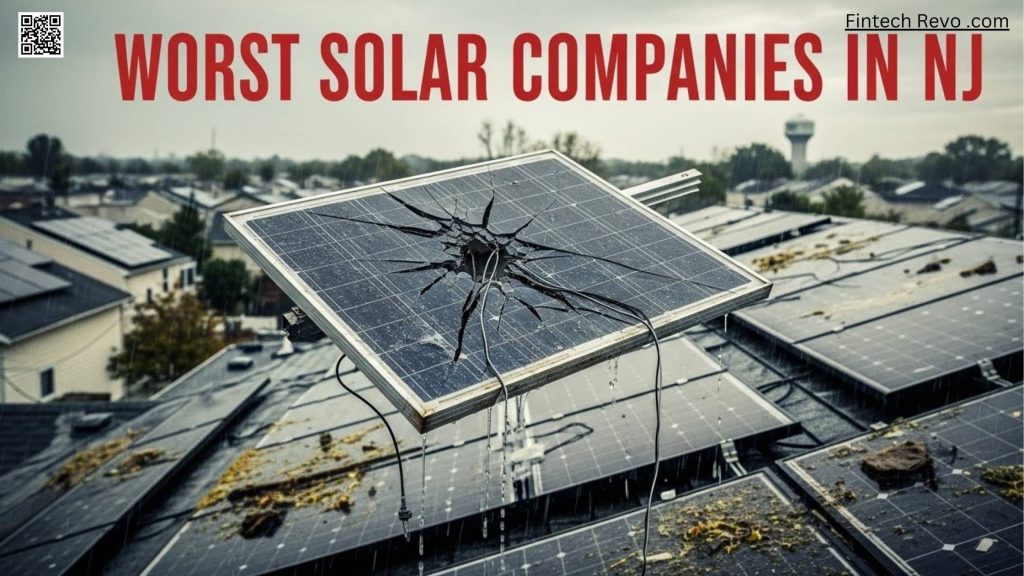
Below, I break down ten poorly rated solar providers that New Jersey homeowners frequently report issues with. This article focuses on real-world concerns, patterns seen in reviews, and how these problems show up after contracts are signed.
10 Poorly Rated Solar Companies In New Jersey
Before getting into each company, here’s a quick comparison table to help you scan the names, operating scope, and the most common issues reported by NJ customers.
| Solar Company | Service Area In NJ | Common Complaints | Business Model |
| Sunrun | Statewide | Long contracts, billing disputes, system underperformance | Lease and PPA |
| Trinity Solar | Statewide | Pushy sales, confusing contracts, slow service | Lease and ownership |
| Momentum Solar | Statewide | Aggressive door sales, misleading savings claims | Lease focused |
| Vivint Solar | Legacy NJ installs | Contract confusion, transfer issues | Lease and PPA |
| SunPower | Select NJ partners | System delays, warranty confusion | Ownership |
| Sunnova | Statewide | Financing disputes, poor customer service | Loan and lease |
| ADT Solar | Limited NJ areas | Installation delays, handoff issues | Lease and loan |
| Tesla Energy | Statewide | Communication gaps, slow repairs | Ownership |
| Green Power Energy | NJ based | Delays, subcontractor issues | Ownership |
| Sunlight Financial linked installers | Statewide | Loan confusion, sales misrepresentation | Solar loans |
Sunrun
Sunrun is one of the largest residential solar providers in the country, and it has a heavy presence across New Jersey. Size alone isn’t the issue. The problems usually show up after installation.
Many NJ homeowners report that their leased systems don’t produce the promised output. Monthly solar payments stay fixed, but electric bills don’t drop as expected. That gap leaves customers paying both Sunrun and their utility company.
Another recurring concern is contract length. Sunrun leases often run 20 to 25 years, with escalator clauses that raise monthly payments annually. Homeowners frequently say these details were not fully explained during the sales process.
Common complaints include:
- Difficulty reaching customer support after installation
- Delays in system repairs
- Complications when selling a home with an active lease
In practice, a Sunrun system can work well if everything goes smoothly. The frustration starts when something goes wrong and resolution takes months instead of weeks.
Trinity Solar
Trinity Solar is one of the most visible solar companies in New Jersey, with strong marketing and door-to-door outreach. While many installations do get completed, customer reviews show a pattern of dissatisfaction tied to sales transparency.
Homeowners often mention feeling rushed through paperwork. Contracts can include lease terms, escalator clauses, and performance assumptions that aren’t fully discussed upfront. Once installed, customers sometimes discover limits on roof modifications or unexpected responsibilities tied to system upkeep.
Another frequent issue is timeline slippage. Permitting, inspections, and utility approvals in NJ already take time. Customers say Trinity’s internal coordination sometimes adds extra delays, leaving systems idle for months.
Typical complaints include:
- Sales promises that don’t match contract terms
- Poor communication during installation
- Slow response when production issues arise
For homeowners who value clear explanations and hands-on service, Trinity’s process can feel impersonal and rigid.
Momentum Solar
Momentum Solar operates aggressively throughout New Jersey, particularly through door-to-door sales teams. The biggest red flag reported by customers is how savings are presented during the initial pitch.
Many NJ homeowners say reps emphasized “no cost solar” without clearly explaining that they were signing long-term leases or power purchase agreements. The result is confusion once monthly invoices arrive.
Momentum customers also report installation quality concerns, including panel placement issues and incomplete system documentation. Follow-up service appears to be inconsistent, especially after the first year.
Common issues include:
- High-pressure sales tactics
- Overstated energy savings
- Difficulty modifying or exiting agreements
In real-world terms, Momentum’s model works best for homeowners who fully understand leasing structures. For everyone else, the learning curve can be expensive.
Vivint Solar
Vivint Solar no longer operates independently, but many New Jersey homes still have active Vivint-installed systems now serviced by Sunrun. These legacy contracts continue to generate complaints.
Homeowners often struggle to get clear answers about who is responsible for service, billing, or system upgrades. Contracts signed years ago may include terms that no longer align with current solar incentives or utility policies.
Another problem shows up during home sales. Buyers may hesitate to assume older Vivint leases, leading to delayed or canceled transactions.
Reported concerns include:
- Confusion after company acquisition
- Outdated system components
- Limited flexibility for homeowners
While the panels themselves often function, customer satisfaction depends heavily on how well service responsibilities are transferred.
SunPower
SunPower has long been known for premium solar panels, but in New Jersey, customer frustration tends to stem from the company’s dealer-based installation model rather than the equipment itself.
Homeowners report long delays between contract signing and system activation. In some cases, warranty questions bounce between SunPower and local installers, leaving customers stuck in the middle.
With SunPower’s recent business restructuring, NJ customers have raised concerns about long-term support and honoring performance guarantees.
Common complaints include:
- Unclear warranty coverage
- Installation delays
- Poor coordination between partners
For NJ homeowners, premium hardware doesn’t always translate into a premium experience.
Sunnova
Sunnova operates primarily as a solar financing and service platform, working with third-party installers across New Jersey. This layered structure is where many problems arise.
Customers frequently report confusion about who to contact when something goes wrong. Sunnova handles financing, but installers handle hardware. When issues occur, responsibility can feel fragmented.
Billing disputes are another major concern. Some homeowners say payments began before systems were fully operational.
Typical issues include:
- Confusing service responsibilities
- Payment disputes
- Slow system troubleshooting
In practice, Sunnova works best when paired with a reliable local installer. Without that, accountability becomes unclear.
ADT Solar
ADT Solar expanded rapidly into residential solar after acquiring Sunpro Solar. In New Jersey, that growth has come with mixed results.
Homeowners often mention installation delays and coordination problems between sales teams and installation crews. Some report that system designs didn’t match roof layouts discussed during the sales process.
After installation, customer service transitions can feel abrupt, especially for those expecting the same experience as ADT’s security services.
Reported complaints include:
- Installation scheduling issues
- Design mismatches
- Slow post-install support
ADT Solar systems can perform well, but communication gaps remain a recurring issue.
Tesla Energy
Tesla Energy attracts NJ homeowners with sleek branding and competitive pricing. The downside tends to be customer support and response time.
Customers report long waits for repairs, limited human interaction, and difficulty getting updates on service tickets. While the solar panels and inverters often work efficiently, even small issues can take months to resolve.
Another concern is system customization. Tesla’s standardized designs don’t always fit older NJ homes or complex roof layouts.
Common complaints include:
- Delayed repairs
- Limited communication
- Rigid system design options
Tesla Energy appeals to tech-focused homeowners, but patience is required.
Green Power Energy
Green Power Energy is a New Jersey-based installer, which leads many homeowners to expect more personalized service. While some customers report positive outcomes, others point to recurring operational issues.
Delays in permitting and inspections appear frequently in reviews. Some homeowners also mention subcontractor-related installation problems that required follow-up visits.
Reported concerns include:
- Scheduling delays
- Inconsistent installation quality
- Communication gaps during project phases
Local presence doesn’t always guarantee smoother execution.
Sunlight Financial Linked Installers
Sunlight Financial itself is a solar loan provider, but many NJ homeowners associate their experience with the installers who use Sunlight financing.
Problems usually stem from how loans are explained during sales. Customers report confusion about interest rates, dealer fees, and loan term lengths. Once financing paperwork is signed, reversing course becomes difficult.
Common complaints include:
- Misunderstood loan terms
- Higher-than-expected monthly payments
- Limited recourse after contract signing
The financing works as designed, but only when homeowners fully understand the numbers involved.
For broader coverage across finance and consumer services, visit our homepage.
Conclusion
Choosing solar in New Jersey can still be a smart decision, but the company behind the panels matters just as much as the equipment on your roof. The poorly rated solar providers listed above are not scams, and many still complete installations every day. The issue lies in patterns of complaints tied to sales transparency, contract structure, and post-install support.
If there’s one takeaway, it’s this: solar problems in NJ rarely come from the technology itself. They come from unclear agreements, rushed decisions, and lack of long-term service accountability.
Before signing anything, slow the process down. Read every clause, ask for production estimates based on your actual utility usage, and confirm who handles service years after installation. Solar should reduce stress, not create it.
Frequently Asked Questions
How can I verify whether a solar company’s savings estimates in New Jersey are realistic?
The most reliable way is to compare the company’s projected production numbers with your actual 12 months of utility usage. Ask for a system output estimate based on kilowatt hours, not dollar savings. In New Jersey, factors like roof direction, shading from nearby trees, and seasonal weather patterns can change production significantly. You can also request an independent solar assessment or compare estimates from two or three installers to spot inflated claims.
What should I look for in a solar contract before signing in NJ?
Focus on ownership structure, total contract length, and escalation clauses. Many NJ homeowners overlook annual payment increases buried in lease or power purchase agreements. Also check who pays for roof repairs, inverter replacements, and system removal if you sell your home. If the contract language feels rushed or unclear, that’s usually a warning sign.
Are locally based New Jersey solar installers always a safer choice?
Not necessarily. While local companies may understand NJ permitting and utility rules better, quality still depends on internal processes and crew experience. Some local installers rely heavily on subcontractors, which can lead to uneven results. The key is reviewing recent customer feedback, asking who performs the actual installation, and confirming post-install support timelines.
What happens if my solar system underperforms in New Jersey?
If your system produces less power than expected, the outcome depends on your contract. Some agreements include performance guarantees, while others do not. In many cases, homeowners remain responsible for fixed payments even if output drops. Before signing, ask how underperformance is measured, how quickly issues are addressed, and whether compensation is offered.
Can switching utility providers in NJ affect my solar savings?
Yes, it can. Net metering credits, billing cycles, and rate structures vary by utility company in New Jersey. If you switch providers or if your utility updates its rate plan, your expected savings may change. This is why solar estimates should be based on kilowatt hours rather than assumptions about long-term electricity pricing.