
If you live in California, solar power probably feels less like a luxury and more like a necessity. With rising electricity rates, frequent utility changes, and strong state incentives, many homeowners look at rooftop panels as a long-term financial move. The problem is that not every solar provider operates with the same level of honesty, follow-through, or customer care.
When people search for the worst solar companies in California, they are usually not trying to attack the industry. They want to avoid costly mistakes. They want to know which installers leave projects unfinished, which sales teams promise savings that never show up, and which companies disappear when repairs or warranty claims come up.
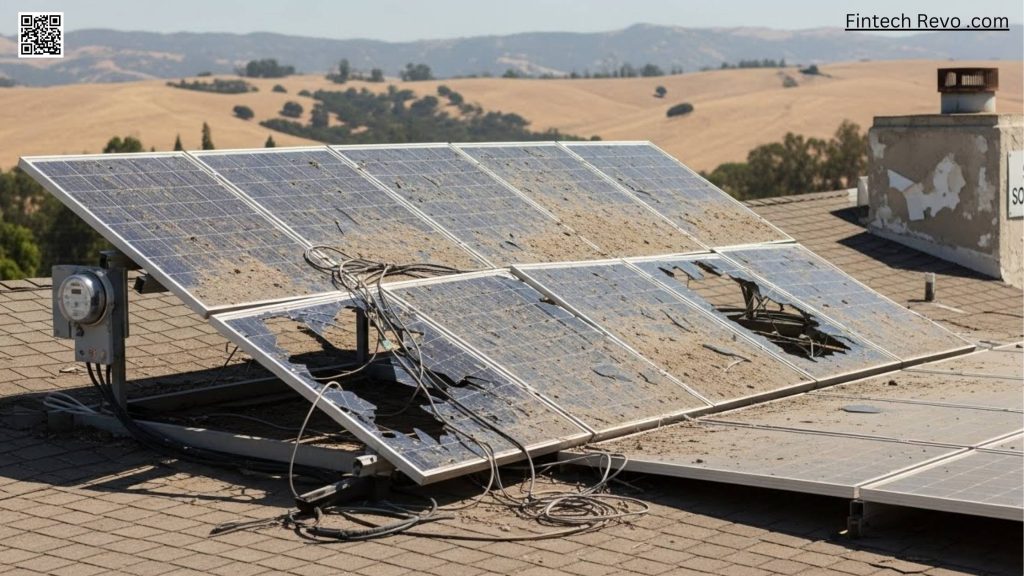
This article breaks that down clearly. I’m going to walk through ten California-based or California-active solar companies that have built poor reputations over time based on recurring consumer complaints, regulatory issues, contract disputes, and post-installation service problems. These are all legitimate businesses, not fly-by-night scams, but each has patterns that should make homeowners pause before signing anything.
10 Poorly Rated Solar Companies Operating in California
Before getting into individual details, here is a high-level comparison table to give you quick clarity. These ratings and issues are drawn from public complaint trends, legal filings, consumer reports, and long-term customer feedback patterns.
| Company Name | Primary Issues Reported | Common Customer Complaints | Service Area in CA |
| Sunrun | Contract disputes, slow service | Long repair delays, unclear savings | Statewide |
| Vivint Solar | Aggressive sales, billing issues | Misleading projections, lien confusion | Statewide |
| Sunnova | Financing problems | Loan servicing confusion, repair delays | Statewide |
| Titan Solar Power | Operational shutdowns | Abandoned installs, warranty gaps | Southern & Central CA |
| SunPower (Residential Arm) | Dealer network problems | Inconsistent install quality | Statewide |
| ADT Solar | Transition issues post-acquisition | Service breakdowns, system monitoring issues | Statewide |
| Petersen-Dean Solar | Bankruptcy fallout | Unfinished projects, lost warranties | Central & Southern CA |
| Freedom Forever | Installation quality concerns | Roof damage, delayed PTO | Statewide |
| SunStreet Energy | Contract transparency issues | Escalating costs, billing disputes | Southern CA |
| NRG Clean Power | Pricing and timeline issues | Schedule slippage, design changes | Southern CA |
What follows is a detailed look at each company and why so many California homeowners report negative experiences.
Sunrun
Sunrun is one of the largest residential solar providers in the United States, and that size is a double-edged sword. While they have name recognition and financing options that appeal to first-time buyers, customer dissatisfaction often stems from scale-related service breakdowns.
Many California homeowners report that once the system is installed, response times slow dramatically. Service tickets can remain open for months, especially for inverter failures or monitoring issues. In a state where summer production matters most, losing weeks of output can wipe out expected savings.
Another recurring issue involves power purchase agreements and leases. Some customers say they were led to believe they would see immediate bill reductions, only to find utility bills and solar payments overlapping for longer than expected. Others report confusion during home sales when transferring or buying out contracts.
Real-life example: homeowners in the Central Valley have reported waiting an entire summer season for repairs after an inverter failure, losing peak generation months while still paying lease fees.
Vivint Solar
Vivint Solar built its reputation on door-to-door sales, and that approach has caused persistent problems in California neighborhoods. The most common complaints involve high-pressure tactics and unclear explanations of long-term costs.
Many customers say they were shown optimistic production estimates that did not match real-world performance once systems were connected to the grid. Others report confusion around liens placed on homes as part of financing agreements, especially when refinancing or selling.
There are also reports of installation timelines stretching far beyond what was promised. In some cases, homeowners waited months just to reach permission to operate approval from utilities like PG&E or Southern California Edison.
Real-life example: a Bay Area homeowner reported discovering a lien during escrow that was never fully explained during the original sales pitch, delaying the home sale by weeks.
Sunnova Energy
Sunnova operates primarily as a solar financing and service platform rather than a traditional installer. This structure often creates confusion for homeowners who don’t realize their system involves multiple parties.
In California, many complaints center on loan servicing and maintenance responsibility. Customers report difficulty determining who is responsible when equipment fails, especially if the original installer is no longer active.
Billing disputes are another issue. Some homeowners claim payments continued even when systems were offline due to equipment failures or utility delays.
Real-life example: a Southern California homeowner reported paying monthly loan fees for nearly three months while waiting for a replacement inverter, with limited communication from Sunnova during the outage.
Titan Solar Power
Titan Solar Power grew quickly in California before abruptly shutting down operations. This left thousands of homeowners in a difficult position.
The biggest issue here is abandonment. Projects were left incomplete, warranties became unclear, and customers struggled to find support for installed systems. In some cases, panels were installed but never connected to the grid.
For homeowners who financed systems through third parties, payments often continued despite non-functional systems.
Real-life example: Central California homeowners reported half-installed systems sitting idle for months, requiring out-of-pocket expenses to hire new contractors just to complete basic connections.
SunPower Residential Network
SunPower is known for premium solar panels, but its residential installation experience in California depends heavily on third-party dealers. This inconsistency has led to uneven customer experiences.
Some homeowners report excellent installs, while others describe poor workmanship, roof leaks, and delayed inspections. Because dealers vary by region, accountability can feel fragmented when issues arise.
Another problem is pricing. SunPower systems often come at a premium, and customers who don’t see the projected performance feel especially frustrated given the higher upfront cost.
Real-life example: a Los Angeles homeowner reported roof damage following installation and difficulty getting both the installer and SunPower corporate support to coordinate repairs.
ADT Solar
ADT Solar entered the California market after acquiring Sunpro Solar. While the brand name carries weight, the transition created service gaps that continue to affect customers.
Complaints often involve monitoring systems failing to report production accurately. Some customers also describe delays in repair scheduling and confusion over warranty coverage inherited from the previous company.
There are also reports of billing continuing during extended outages, which frustrates customers who expected security-company-level responsiveness.
Real-life example: a San Diego homeowner reported months of inaccurate production reporting that led to higher-than-expected utility bills without clear explanations.
Petersen-Dean Solar
Petersen-Dean was once a major solar and roofing contractor in California. Its bankruptcy left many homeowners stranded.
The most serious complaints involve unfinished installations and voided warranties. Customers who paid deposits or financed projects were left without clear recourse.
Even completed systems became problematic when roof warranties were no longer honored, forcing homeowners to pay for repairs tied directly to solar work.
Real-life example: homeowners in Fresno reported discovering roof leaks years later, only to learn the installer no longer existed to honor the workmanship warranty.
Freedom Forever
Freedom Forever focuses heavily on sales volume, and some California customers say quality control suffers as a result.
Installation issues include roof penetration problems, misaligned panels, and extended delays in final utility approval. Post-installation service complaints are also common, particularly when systems underperform.
Customers often report difficulty reaching a consistent service representative once the sale is complete.
Real-life example: Inland Empire homeowners reported waiting over six months for final inspection clearance, delaying full system activation and expected savings.
SunStreet Energy
SunStreet Energy operates primarily in Southern California and has drawn criticism for contract clarity issues.
Some homeowners report costs increasing after contracts were signed due to design changes or additional electrical work that was not clearly disclosed upfront. Others report billing disputes tied to system activation dates.
Communication breakdowns appear frequently in complaint records.
Real-life example: a Riverside County homeowner reported final project costs exceeding initial estimates by several thousand dollars due to unexpected panel layout revisions.
NRG Clean Power
NRG Clean Power is a known California installer with mixed reviews. While some customers report positive outcomes, negative feedback often focuses on timelines and pricing transparency.
Delays in permitting and utility approvals are a common frustration. Some homeowners also report changes in system design late in the process, which affected expected output.
Real-life example: a Los Angeles homeowner reported waiting nearly a year from contract signing to full system activation due to permitting and scheduling issues.
Now, check The 10 Worst Solar Companies Around The World
Conclusion
Choosing solar in California can still be a smart move, but only if the company behind the panels is reliable long after the paperwork is signed. The companies listed here are not illegal operations, but they have built track records filled with repeated complaints around service delays, unclear contracts, abandoned projects, and poor communication.
The biggest lesson is simple. Sales promises mean very little without strong post-installation support. Before committing to any provider, homeowners should read long-term reviews, verify licensing, confirm warranty responsibility, and understand exactly who handles repairs if something goes wrong.
Solar should lower stress, not add to it. Knowing which companies have consistently failed California customers helps you make a safer, more informed decision before panels ever touch your roof.
For broader coverage across finance and consumer services, visit our homepage.
Frequently Asked Questions
How can I check if a solar company in California has unresolved complaints before signing a contract?
I always start by checking multiple complaint channels, not just one review site. Look at patterns across the California Contractors State License Board, consumer complaint portals, and long-term homeowner reviews. What matters most is repetition. A single bad review can happen to any business, but repeated complaints about delayed repairs, billing disputes, or unfinished installations usually signal deeper operational issues.
What should I do if my solar installer shuts down after my system is installed?
If a company stops operating, the first step is to identify who holds your equipment warranty and financing agreement. In many California cases, the loan or lease provider is separate from the installer. Contact them immediately to document system issues. You may also need a licensed local electrician or solar contractor to assess the system and provide written reports for warranty or insurance claims.
Are local California solar companies safer than national solar brands?
Not always. Smaller local installers can offer better communication, but they can also lack financial stability. Larger companies may have more resources but slower service. What matters is licensing history, years of continuous operation in California, and a clear service process after installation. I recommend choosing a company with a strong local service team and a verifiable track record in your specific utility region.
Can I cancel a solar contract in California if I feel misled during the sales process?
California law allows a short cancellation window after signing, often three business days, depending on how the contract was executed. If you believe the sales terms were misleading, document everything immediately. Emails, proposals, and screenshots of projected savings can matter later. In some cases, homeowners have successfully challenged contracts through regulatory complaints or legal review.
How do I know if my solar system is underperforming after installation?
The easiest way is to compare your system’s monitoring data with your original production estimate and actual utility bills. Seasonal changes are normal, but consistent gaps are not. If your monitoring app shows outages or lower output over several months, request a formal performance review in writing. Having documented performance data strengthens your position if service issues continue.