
If you own a home in Florida, insurance is not optional. Between hurricanes, flooding, wind damage, and rising repair costs, coverage is often the only thing standing between a setback and a financial disaster. The problem is that not every provider treats policyholders fairly. Some insurers operating in the state have built a reputation for slow claims handling, unexpected cancellations, limited payouts, or confusing policy language that only becomes clear after something goes wrong.
When people ask what the worst homeowners insurance companies in Florida are, they usually want one thing. They want to know which providers have caused repeated issues for real homeowners, especially during stressful moments like storm recovery or property loss. This article answers that question early and clearly by reviewing insurers that have received persistent complaints, regulatory action, or poor consumer feedback over time.
I am not saying these companies never pay claims or that every customer has a bad experience. What I am saying is that patterns matter. Complaint ratios, financial stability, customer reviews, and state oversight all paint a picture. If you live in Florida or plan to buy property here, understanding these patterns can help you avoid serious headaches later.
Florida’s insurance market is unlike any other in the country. The state has seen multiple carriers collapse, withdraw, or enter receivership in recent years. Reinsurance costs are high. Litigation rates are extreme. Premiums have jumped sharply, and coverage restrictions have become common. In this environment, choosing the wrong insurer can mean delayed repairs, denied claims, or being dropped right when you need protection the most.
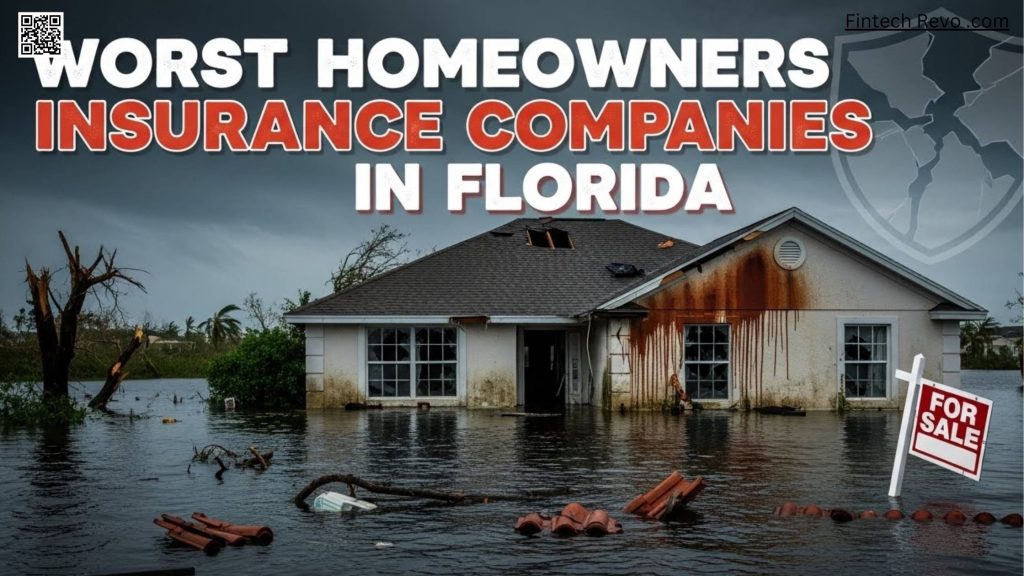
The sections below break down eight homeowners insurance providers that have earned poor reputations in Florida. Before getting into individual companies, it helps to see how they compare at a glance.
8 Poorly Rated Homeowners Insurance Companies In Florida
The table below summarizes the insurers discussed in this article, along with the main reasons homeowners have raised concerns. These companies are legitimate and licensed, but each has faced recurring criticism tied to claims handling, financial health, or customer treatment.
| Insurance Company | Primary Issues Reported | Common Policyholder Complaints |
| Citizens Property Insurance Corporation | Slow claims processing, limited coverage | Delays after hurricanes, capped payouts |
| Universal Property & Casualty Insurance | High complaint volume | Claim denials, payment disputes |
| Florida Peninsula Insurance | Rate increases, policy complexity | Confusing exclusions, partial settlements |
| Heritage Insurance | Financial strain after storms | Nonrenewals, slow damage assessments |
| Security First Insurance | Claims backlogs | Adjuster delays, underpayment concerns |
| Tower Hill Insurance | Coverage reductions | Increased deductibles, dropped policies |
| Avatar Property & Casualty Insurance | Regulatory scrutiny | Customer service issues, claim disputes |
| FedNat Insurance Company | Insolvency and receivership | Unpaid claims, forced policy transfers |
Each of these insurers has a different story, but the end result for many homeowners has been frustration, uncertainty, or unexpected costs.
Citizens Property Insurance Corporation
Citizens Property Insurance Corporation is Florida’s state-backed insurer of last resort. It exists to provide coverage when private insurers decline to write policies, which means many homeowners insured by Citizens have few alternatives. While Citizens plays a critical role in keeping homes insured, it is also one of the most criticized insurers in the state.
One of the most common complaints involves claims processing after major storms. Because Citizens insures a massive number of properties, hurricanes often overwhelm its claims infrastructure. Homeowners report long wait times for inspections, repeated requests for documentation, and extended delays before receiving payment. When a roof is damaged or water intrusion makes a home unsafe, time matters. Waiting months for resolution can be financially and emotionally exhausting.
Coverage limitations are another issue. Citizens policies often include stricter caps, higher deductibles for wind damage, and exclusions that catch homeowners off guard. For example, some policyholders only realize after a storm that their payout will not cover full roof replacement due to depreciation clauses.
There is also the assessment risk. If Citizens experiences large losses, policyholders across Florida can be charged additional assessments, even if they never filed a claim. This structure keeps Citizens solvent but shifts some financial burden back onto homeowners.
Citizens is not inherently bad, but it operates very differently from private insurers. For homeowners who expect flexibility or fast responses, the experience can feel impersonal and rigid.
Universal Property & Casualty Insurance
Universal Property & Casualty Insurance is one of the largest private homeowners insurers in Florida. Size alone does not make an insurer problematic, but Universal has consistently ranked high in consumer complaints relative to its market share.
Many policyholders describe disputes over the scope of damage. After hurricanes or severe storms, homeowners report that adjusters acknowledge damage but estimate repair costs far below what contractors quote. This leaves homeowners stuck negotiating, hiring public adjusters, or pursuing legal action just to restore their property.
Another recurring issue is claim denial based on technical policy language. Some customers say claims were denied due to alleged pre-existing damage or maintenance issues, even when damage appeared clearly storm-related. While insurers are entitled to investigate, repeated patterns of denial raise concerns about fairness.
Customer service feedback is mixed at best. Long hold times, inconsistent communication, and frequent reassignment of claims handlers are common themes. In real life, this means homeowners often repeat their story multiple times without clear progress.
Universal remains financially active and widely used, but its complaint history suggests that policyholders should read terms carefully and be prepared for pushback during claims.
Florida Peninsula Insurance
Florida Peninsula Insurance operates primarily within the state and markets itself as a local-focused provider. Despite this positioning, it has drawn criticism for pricing practices and policy complexity.
One issue frequently mentioned by homeowners is steep premium increases after renewal. Even without filing a claim, some policyholders see significant jumps year over year. While rising costs affect the entire Florida market, sudden increases without clear explanation leave customers feeling trapped.
Policy wording is another pain point. Florida Peninsula policies often include layered exclusions and detailed conditions that are difficult for non-experts to interpret. Homeowners may believe they are fully covered for wind or water damage, only to discover sub-limits or exclusions when filing a claim.
Claims settlements can also fall short of expectations. Some homeowners report partial payments that do not fully address structural damage, forcing them to pay out of pocket or delay repairs.
Florida Peninsula is not alone in these practices, but the combination of rising rates and dense policy language has earned it a poor reputation among many Florida homeowners.
Heritage Insurance
Heritage Insurance has experienced significant ups and downs tied to Florida’s volatile risk environment. After several active hurricane seasons, the company faced financial pressure that affected how it handled policies and claims.
Nonrenewals are a major complaint. Many homeowners report receiving notices that their policies will not be renewed, sometimes with limited explanation. Losing coverage in Florida can be especially stressful, as finding replacement insurance may be difficult or far more expensive.
Claims handling delays have also been reported, particularly following widespread storm damage. Homeowners describe waiting extended periods for inspections or receiving settlement offers that fail to reflect actual repair costs.
Financial stability concerns play a role here. When an insurer is under strain, cost containment becomes a priority. For policyholders, this can translate into stricter reviews and slower payouts.
Heritage continues to operate, but homeowners considering coverage often weigh the risk of policy disruption against the need for affordable premiums.
Security First Insurance
Security First Insurance has built a sizable customer base in Florida, but it has struggled with claims volume during high-impact weather events. The most consistent criticism centers on delays.
After storms, policyholders report difficulty scheduling inspections and receiving timely responses. In some cases, adjusters are reassigned or unavailable, leading to repeated follow-ups with little progress.
Underpayment concerns are another recurring theme. Some homeowners say initial estimates do not account for hidden damage, such as water intrusion behind walls or roof decking issues. Addressing these gaps often requires supplemental claims, which can further extend timelines.
Communication breakdowns make matters worse. When homeowners cannot get clear answers about claim status, frustration builds quickly. For families displaced by damage, uncertainty adds another layer of stress.
Security First remains active, but its track record during peak demand periods has left many customers dissatisfied.
Tower Hill Insurance
Tower Hill Insurance has undergone significant restructuring over the years, including reducing its exposure in Florida. These changes have affected policyholders in noticeable ways.
One major issue is coverage reduction. Homeowners report being offered renewal policies with higher deductibles, reduced limits, or new exclusions. While insurers adjust risk models, sudden shifts can leave homeowners underinsured without realizing it.
Policy cancellations and nonrenewals have also been reported, particularly in higher-risk areas. Losing coverage often forces homeowners into the state-backed market or into policies with much higher premiums.
Claims experiences vary, but some customers describe prolonged negotiations over repair scope and depreciation calculations. In practical terms, this means homeowners may need to cover upfront costs while waiting for reimbursement.
Tower Hill’s efforts to stabilize its business have come at the expense of predictability for many policyholders.
Avatar Property & Casualty Insurance
Avatar Property & Casualty Insurance has faced regulatory attention and consumer complaints tied to its handling of claims and customer service practices.
Homeowners often point to difficulty reaching claims representatives. Calls go unanswered, emails receive delayed replies, and updates are inconsistent. When damage needs urgent attention, this lack of responsiveness can be costly.
There are also reports of disputed settlements. Some policyholders say payments did not align with repair estimates or failed to address secondary damage. Resolving these disputes can take months.
Regulatory scrutiny has raised questions about internal processes and financial oversight. While Avatar has taken steps to address concerns, its reputation among many homeowners remains shaky.
For customers who value clear communication and transparency, Avatar’s history raises red flags.
For updated reviews across finance and consumer services, visit FinTech Revo.Com.
FedNat Insurance Company
FedNat Insurance Company represents one of the more serious cautionary tales in Florida’s insurance market. The company entered receivership, leaving many policyholders scrambling.
When an insurer becomes insolvent, claims can be delayed or partially unpaid. Homeowners insured by FedNat reported confusion about who would handle their claims and whether coverage would continue. In some cases, policies were transferred to other insurers, but not always under the same terms.
The stress of dealing with property damage is compounded when the insurer itself is unstable. Repairs still need to be made, but reimbursement becomes uncertain.
FedNat’s collapse highlights why financial strength matters just as much as premium cost. An affordable policy is meaningless if the insurer cannot meet its obligations when disaster strikes.
Conclusion
Florida homeowners face enough challenges without battling their insurance company after something goes wrong. Storms, flooding, and rising construction costs already create stress. When an insurer adds delays, confusion, or financial uncertainty, the situation can spiral quickly.
The eight companies discussed here are not included lightly. Each has shown patterns that homeowners should understand before signing a policy. Poor claims handling, coverage gaps, financial instability, and customer service issues all have real-world consequences.
If there is one takeaway, it is this. Always read policy documents closely, pay attention to complaint trends, and consider financial strength alongside price. In Florida’s volatile insurance environment, choosing carefully can make the difference between a manageable setback and a long-term financial burden.
Homeowners deserve clarity, fairness, and reliability. Knowing which insurers have struggled to provide that is a practical first step toward protecting your home and your peace of mind.
Frequently Asked Questions
Can a homeowners insurance company legally delay a claim in Florida?
Yes, delays can happen legally, but there are limits. Florida law requires insurers to acknowledge claims promptly and make coverage decisions within specific timeframes unless factors outside their control interfere, such as widespread hurricane damage. Problems start when delays become routine, communication stops, or requests for documents keep repeating without progress. That is usually when homeowners file complaints with the Florida Office of Insurance Regulation or seek help from a public adjuster.
Why do some Florida insurers deny roof claims after storms?
Roof claims are one of the most disputed areas in Florida. Insurers often argue that damage was caused by wear and tear, improper maintenance, or age rather than wind or hail. Even after a named storm, companies may approve only minor repairs instead of full replacement. Homeowners usually run into trouble when the policy includes depreciation rules, cosmetic damage exclusions, or strict proof requirements tied to the date of loss.
What happens if my insurer is downgraded financially but still operating?
A financial downgrade does not cancel your policy, but it can signal risk. Insurers under financial pressure may tighten claims reviews, slow payments, raise deductibles, or reduce renewal options. If you see repeated downgrades from rating agencies, it is often a sign to shop for alternatives before your next renewal cycle, especially in high-risk coastal areas.
Is switching homeowners insurance in Florida after a claim a bad idea?
Not always, but timing matters. Some insurers will refuse new policies if a recent claim appears on your record, while others may offer coverage at higher premiums. The bigger issue is nonrenewal risk. If your current insurer drops you after a claim, options may be limited. That is why many homeowners review carrier stability and claim history before storm season instead of waiting until after damage occurs.
How can I protect myself before filing a major homeowners claim?
Preparation helps more than most people realize. Take dated photos of your home each year, keep repair receipts, and document upgrades like roof replacements or plumbing updates. After damage, report the claim quickly, avoid making permanent repairs without approval unless necessary for safety, and keep written records of all communication. These steps often make a noticeable difference when dealing with insurers known for disputes or slow responses.