
Dental coverage is supposed to make oral care affordable, predictable, and less stressful. Most people sign up believing routine cleanings will be covered, basic procedures will be reasonably priced, and major treatments will not turn into financial shocks. In reality, many policyholders discover too late that their dental plan comes with strict limits, denied claims, narrow provider networks, and confusing fine print.
When people talk about the worst dental insurance companies, they are usually referring to carriers with low annual maximums, long waiting periods, frequent claim denials, and customer service that makes resolving issues exhausting.
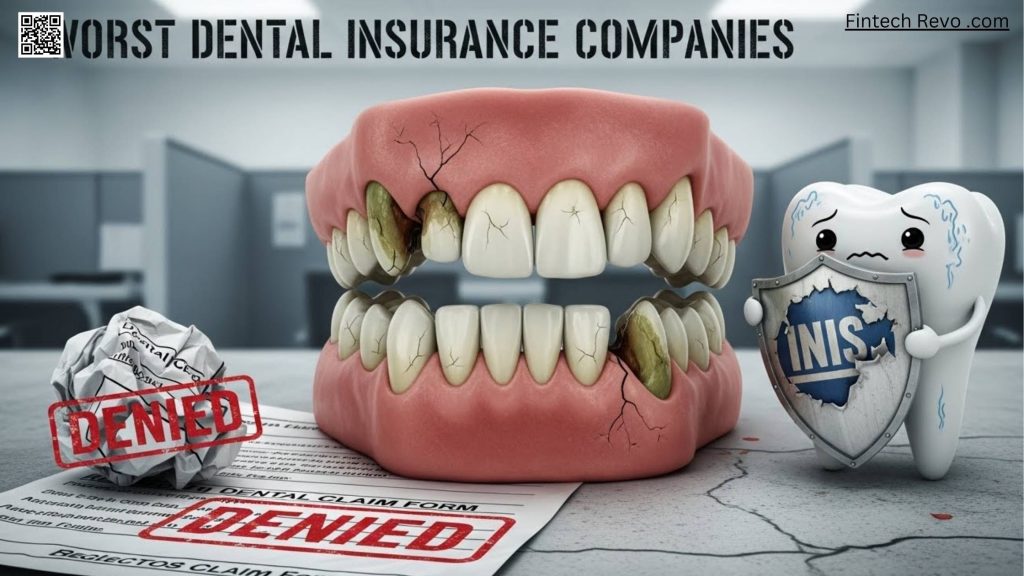
Below, I walk through the ten dental insurers that consistently receive the most criticism from policyholders, dentists, and consumer complaint records. These are legitimate companies operating in the market, but their plans often leave customers disappointed.
10 Poorly Rated Dental Insurance Companies Consumers Should Know About
Before getting into the details, here is a quick comparison of the companies covered in this article and the most common issues reported by members.
| Dental Insurance Company | Common Complaints | Typical Annual Maximum | Network Issues |
| Spirit Dental | High premiums, limited payouts | $1,200–$1,500 | Moderate |
| Aetna Dental | Claim denials, slow reimbursements | $1,000–$1,500 | Frequent |
| MetLife Dental | Low caps, balance billing | $1,000–$2,000 | Moderate |
| Cigna Dental | Narrow networks, long waits | $1,000–$1,500 | High |
| Delta Dental | Inconsistent coverage by state | $1,000–$2,000 | High |
| Guardian Dental | Complicated policy terms | $1,000–$1,500 | Moderate |
| UnitedHealthcare Dental | Poor customer support | $1,000–$2,000 | Moderate |
| Humana Dental | Waiting periods, exclusions | $1,000–$1,250 | Moderate |
| Blue Cross Blue Shield Dental | Varies by region, billing issues | $1,000–$2,000 | High |
| Denali Dental | Limited provider options | $1,000–$1,500 | High |
The table highlights a recurring problem across the industry: even the biggest names often cap benefits at levels that barely cover one major dental procedure per year.
Spirit Dental Insurance
Spirit Dental is often marketed as a flexible option with multiple plan tiers and no waiting periods on some policies. That promise attracts people who want quick coverage for upcoming dental work. The problem is that many members find the value does not match the cost.
A common issue with Spirit Dental plans is the high monthly premium relative to the annual benefit limit. Paying a higher premium might make sense if the coverage was generous, but most plans still top out around $1,200 to $1,500 per year. For someone needing a crown or root canal, that amount disappears quickly.
Another frustration involves reimbursement percentages. Preventive care may be covered at 100 percent, but basic and major services often drop to 50 percent or less. Dentists frequently bill the difference, leaving patients surprised by out-of-pocket costs.
Members also report administrative delays. Claims can take weeks to process, and getting clear explanations from customer service is difficult. When coverage is denied, the appeals process tends to be slow and paperwork-heavy.
Aetna Dental Insurance
Aetna is a well-known name in health insurance, but its dental plans receive mixed to negative feedback from consumers. One of the most common complaints is claim denial for procedures that policyholders believed were covered.
Many Aetna dental plans come with strict frequency limits. For example, cleanings may only be covered twice per year, and X-rays may be limited to once every 12 or 24 months. If a dentist recommends additional services based on medical need, the insurer may refuse to pay.
Another recurring issue is slow reimbursement, especially for out-of-network providers. Patients often pay upfront and wait weeks or even months for partial repayment. This can be a problem for people on tight budgets.
Provider networks are another pain point. Some members discover their dentist is listed as in-network but later learn the practice no longer accepts Aetna due to low reimbursement rates. That mismatch creates billing disputes and unexpected costs.
MetLife Dental Insurance
MetLife dental coverage is commonly offered through employers, which leads many people to assume it is a solid option. While the plans are not always terrible, they often fall short when people actually need dental work beyond routine care.
The biggest complaint centers on low annual maximums. Even when employers contribute to the premium, a $1,000 cap barely covers a single crown in many areas of the country. Orthodontic coverage, if available, is usually limited and capped at a lifetime maximum that does not reflect real costs.
Balance billing is another issue. Even when visiting an in-network dentist, patients may still owe a portion of the bill because the insurer’s allowed amount is lower than the dentist’s standard fee. This creates confusion and frustration at checkout.
Customer support also receives criticism. Members report long hold times and inconsistent answers when asking about coverage details. That lack of clarity makes it hard to plan treatment confidently.
Cigna Dental Insurance
Cigna dental plans are widely available and often priced competitively, but affordability does not always translate into satisfaction. One of the most frequent complaints is the narrow provider network.
In many regions, patients struggle to find dentists who accept Cigna dental insurance, especially specialists such as oral surgeons or periodontists. When they do find a provider, appointment availability can be limited due to high patient volume.
Waiting periods are another drawback. Many Cigna plans require six months to a year before covering basic or major procedures. This means people who sign up expecting immediate help with dental problems are left paying out of pocket.
Claim disputes also come up often. Patients report that coverage percentages are lower than expected, and explanations of benefits can be hard to interpret. That lack of transparency erodes trust in the plan.
Delta Dental Insurance
Delta Dental is one of the largest dental insurers in the United States, but size does not guarantee quality. In fact, many complaints stem from the fact that coverage varies widely by state and by employer group.
Some Delta Dental plans offer decent preventive coverage, but basic and major services often come with high coinsurance rates. Annual maximums typically range from $1,000 to $2,000, which has not kept pace with rising dental costs.
Another major issue is inconsistency. A procedure covered in one state may be denied in another, even under similar plan names. That creates confusion for people who move or work for national employers.
Dentists also criticize Delta Dental for low reimbursement rates, which leads some practices to leave the network. Patients then face the hassle of finding new providers or paying higher out-of-network fees.
Guardian Dental Insurance
Guardian dental plans are often bundled with vision or life insurance, making them attractive as a package deal. However, when evaluated on dental coverage alone, many members find the plans disappointing.
One problem is complicated policy language. Coverage levels, waiting periods, and exclusions are not always easy to understand. People often assume certain procedures are covered, only to learn later that they fall under exclusions or reduced benefits.
Guardian also enforces waiting periods on many plans, particularly for major services like crowns, bridges, and dentures. These waiting periods can last up to a year, which is a long time for someone dealing with dental pain or deterioration.
Customer service experiences vary widely. Some members report helpful representatives, while others describe long delays and unresolved issues. That inconsistency makes the experience unpredictable.
UnitedHealthcare Dental Insurance
UnitedHealthcare is another major health insurer with a dental division that receives frequent criticism. One of the most common complaints is poor customer support.
Members often describe difficulty getting clear answers about coverage, especially when coordinating benefits with medical insurance. Dental claims involving medical necessity, such as oral surgery, can become particularly complicated.
UnitedHealthcare dental plans also tend to have low annual caps. While premiums may seem reasonable, the limited payout means patients still shoulder a large portion of costs for anything beyond routine care.
Network adequacy is another concern. In some areas, the list of in-network dentists is outdated or inaccurate, leading to surprise out-of-network charges.
Humana Dental Insurance
Humana dental plans are popular among seniors and individuals purchasing coverage on their own. While the company offers a range of options, many members express dissatisfaction with how the plans perform in practice.
Waiting periods are a major drawback. Basic procedures may require a six-month wait, while major services often require a full year before coverage begins. This structure benefits the insurer more than the policyholder.
Exclusions are another issue. Certain procedures may not be covered at all, even after waiting periods. For example, some plans exclude coverage for cosmetic-related restorations, even when they have functional importance.
Members also report that annual maximums are on the low end, often around $1,000 to $1,250. That limit can be reached quickly, leaving patients to postpone care or pay out of pocket.
Blue Cross Blue Shield Dental Insurance
Blue Cross Blue Shield dental coverage varies significantly because each regional entity operates independently. This variation leads to inconsistent experiences across the country.
Some members report decent preventive coverage, while others face frequent claim denials and billing errors. Because policies differ by state, comparing plans or switching regions can be confusing.
Provider networks can also be problematic. Dentists may accept one Blue Cross Blue Shield dental plan but not another, even within the same state. That inconsistency leads to surprise bills and scheduling challenges.
Customer service quality depends heavily on the local affiliate. Some policyholders receive prompt help, while others struggle to resolve issues after multiple calls.
Denali Dental Insurance
Denali Dental is less well-known than some competitors, but it often appears in discussions about poorly rated dental insurers. The main issue is limited provider availability.
In many areas, finding an in-network dentist can be difficult. That forces members to either travel farther for care or accept out-of-network costs. For routine services, this inconvenience alone can make the plan feel unusable.
Coverage levels are also modest. Annual maximums typically fall between $1,000 and $1,500, and reimbursement percentages drop sharply for major procedures.
Members also report that plan documents lack clarity. Understanding what is covered and when requires careful reading, and mistakes can be costly.
Explore more articles and company reviews on our homepage.
Why So Many Dental Insurance Plans Disappoint
Dental insurance operates differently from medical insurance, and that difference is often misunderstood. Most plans are designed more like discount programs than true insurance. Annual caps have not increased significantly in decades, even as dental costs have risen.
Common industry practices that frustrate consumers include:
- Low annual maximums that barely cover one major procedure
- Waiting periods that delay access to needed care
- Narrow networks that limit provider choice
- Coinsurance structures that shift costs to patients
Understanding these limitations can help set realistic expectations, but it does not erase the frustration many people feel when coverage falls short.
Conclusion
The worst dental insurance companies are not necessarily scams or illegitimate businesses. They are established insurers whose plans often fail to meet consumer expectations. Low benefit caps, strict limitations, and administrative hurdles turn what should be helpful coverage into a source of stress.
If you are shopping for dental insurance, the key is to read the fine print carefully. Look beyond the monthly premium and focus on annual maximums, waiting periods, and network size. In some cases, paying out of pocket or joining a dental savings plan may offer more predictable value than traditional coverage.
Dental care is too important to leave to assumptions. Knowing which insurers consistently disappoint gives you a better chance of choosing a plan that aligns with your needs and budget.
Find The 10 Worst Long Term Disability Insurance Companies
Frequently Asked Questions
Why do dental insurance plans often feel harder to use than medical insurance?
Dental plans are structured with fixed annual limits, usually between $1,000 and $2,000, which means coverage runs out quickly once major treatment starts. Medical insurance, by contrast, is designed around larger risk pools and does not usually cap benefits this low. Because of this structure, dental plans often function more like cost-sharing programs than full protection against high expenses.
Is it better to skip dental insurance and pay the dentist directly?
For people who only need cleanings and the occasional filling, paying directly can sometimes cost less than annual premiums plus out-of-pocket charges. Many dentists also offer cash discounts or in-house membership plans that reduce prices. Insurance tends to make more sense when you expect ongoing treatment, but only if the annual maximum aligns with real dental costs.
Why do dentists stop accepting certain dental insurance plans?
Dentists may leave insurance networks when reimbursement rates are too low or payments are delayed. When insurers cap fees below a clinic’s operating costs, providers absorb the loss. Over time, this pushes many practices to drop those plans, even if patients still see them listed as in-network.
Can dental insurance deny coverage for a procedure my dentist says I need?
Yes, dental insurers can deny claims based on policy rules, not clinical recommendations. If a procedure is classified as elective, cosmetic, or subject to frequency limits, the insurer may refuse payment even when a dentist considers it necessary for oral health.
How can I reduce surprise dental bills when using insurance?
The most effective way is to request a pre-treatment estimate before any major procedure. This document outlines what the insurer is likely to pay and what you may owe. Confirming network status directly with both the dentist and the insurer also helps avoid unexpected charges at checkout.