
Winter looks pretty until it starts messing with your car. Snowy roads bring skids, hidden potholes, and surprise fender benders. If your car gets damaged during all that chaos, the big question hits fast. Will your insurance actually cover it?
Since February 2020, car premiums have been up 55 percent. Most of that increase in insurance premiums came between 2022 and 2024.
Hence, it’s natural to ask whether or not your insurance will cover the costs if your car is damaged in snowy conditions. And the answer depends on your coverage, the situation, and a few details that many drivers overlook. Let’s talk through it like real people do, not insurance robots.
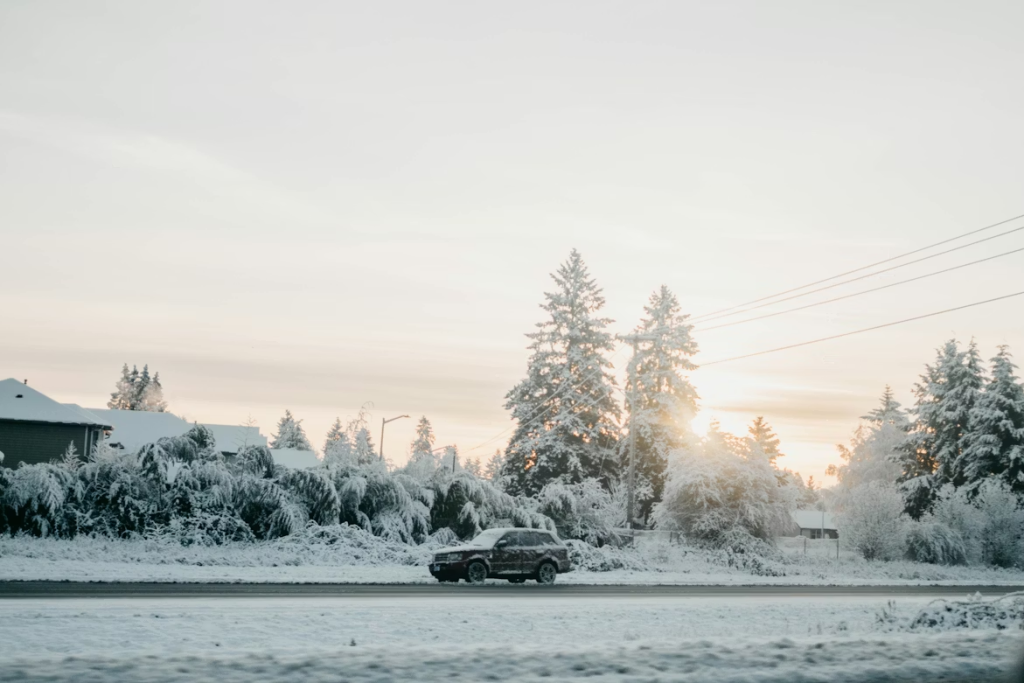
What Does Snow Damage Really Mean?
In the US, almost a quarter of weather-related vehicle crashes occur on snowy or icy roads. Besides, snow damage can show up in other ways as well. You might slide into a curb, get hit by another car, or wake up to a crushed roof.
Heavy snow and ice can damage mirrors, bumpers, and windshields. Even freezing temperatures can mess with engines and batteries. Insurance companies look closely at how the damage happened. They care less about the snow itself and more about the cause.
If the damage happened while driving, fault matters. If it happened while parked, coverage type matters more. Knowing the difference saves stress later.
Comprehensive Coverage and Winter Surprises
Comprehensive coverage is your best friend during winter. This part of your policy usually covers non-collision incidents. Think falling branches, ice damage, or snow collapsing onto your car.
If a tree limb snaps under snow weight, comprehensive coverage often applies. If ice cracks your windshield overnight, this coverage may help, too.
However, deductibles still apply. You pay that amount before insurance steps in. Also, coverage limits matter. If your policy is bare bones, you might be disappointed.
Collision Coverage and Slippery Roads
Collision coverage helps when your car hits something. That includes other cars, guardrails, and even snowbanks. If you slide on ice and hit a pole, this is the coverage involved. It usually applies regardless of fault. That surprises many drivers.
Still, insurers may look at driving behavior. Speeding during a storm can complicate claims. They expect reasonable caution, even in bad weather. Collision coverage also comes with a deductible. Make sure it is affordable before winter arrives.
Seeking Legal Avenues After a Snowy Crash
If your snowy drive ended in a serious accident, insurance is only one piece. This is where legal help enters the picture. A car crash lawyer or personal injury lawyer can explain your rights clearly. Car accident lawyers often deal with winter crashes and slippery road disputes.
In personal injury cases, fault can be complex. Snow and ice do not automatically excuse careless driving. As TorHoerman Law notes, car accident cases may involve multiple parties and insurers. Lawyers help untangle those legal matters fast. These are often local lawyers who are experienced in dealing with local laws and road conditions as well.
For instance, just recently, snow across St. Louis led to several vehicle crashes. In some cases, the accidents might have been caused by the negligence of another driver. Then, a St. Louis car crash lawyer has to get involved to help the victim seek compensation for things like lost wages or injuries.
Apart from the car itself, accidents on snowy roads can hurt you as well. If you suffer injuries, medical expenses add pressure quickly. Compensation may cover treatment, lost income, and repairs. Lawyers know how to handle negotiations when insurers push back hard.
What Will Liability Insurance Not Do?
Liability insurance covers damage you cause to others. It does not fix your own car. If you only carry liability, snowy damage to your vehicle is likely unpaid. This is common with older cars. Drivers sometimes accept that risk to save money.
If you slide and hit another vehicle, liability helps them. Your own repairs come out of pocket. Understanding this gap prevents ugly surprises.
Does Insurance Cover Snow-Related Accidents Automatically?
While car premiums are going up, insurance does not always deny claims just because snow was involved. Snow is considered a normal driving condition in many places. What matters is the event and coverage type. Accidents, vandalism, and weather damage are treated differently.
Documentation helps a lot. Photos of the scene and weather conditions strengthen claims. Reporting quickly also improves outcomes. Waiting too long raises questions insurers love to ask.
When Parked Cars Get Damaged by Snow
Parked cars face risks too. Snowplows can scrape bumpers. Other drivers may slide into parked vehicles. Ice can fall from buildings. Comprehensive coverage usually handles these situations. If another driver caused the damage, their insurance should pay.
Hit-and-run situations happen often in winter. That is where your own coverage steps in. Uninsured motorist property damage may also help, depending on your policy.
Common Mistakes That Hurt Winter Claims
Many drivers make avoidable mistakes. They assume snow damage is always covered. They forget deductibles until bills arrive. Some fail to document damage right away. Others admit fault too quickly during claims calls.
Another mistake is underinsuring the car. Skipping comprehensive or collision coverage saves money in the short term. Winter often proves to be very expensive. Reviewing policies before the snow season is smart.
How Do Deductibles and Premiums Factor in?
Every claim affects your wallet differently. Deductibles determine your immediate cost. Premiums may rise after claims, depending on fault. Some insurers offer accident forgiveness. Others do not.
Winter claims can add up fast. Multiple small claims may cost more in the long term. Sometimes paying out of pocket makes sense. Weigh repair costs against deductible amounts carefully.
Snowy conditions are unpredictable. Insurance coverage should not be. Knowing what your policy covers brings peace of mind. Winter is stressful enough without insurance confusion. A little knowledge now saves a lot of frustration later.
Source: https://fintechrevo.com/