
If you have ever filed an insurance claim, you already know the process can feel stressful, confusing, and slow. At its core, insurance is supposed to offer financial protection when things go wrong. You pay your premiums on time, follow the rules, and expect support when you need it most. The problem starts when insurers delay, reduce, or deny claims without clear explanations.
This article answers a simple question early on. What are the insurance companies most often criticized for poor claim payouts? Based on consumer complaints, regulatory data, class action lawsuits, and long-standing patterns, some insurers consistently stand out for the wrong reasons.
I am not here to say every claim with these companies will be denied. Many policyholders do get paid. But if you look closely at complaint ratios, lawsuit history, and customer feedback, a pattern emerges. These are insurers where policyholders report more friction, longer timelines, and more disputes during the claims process.
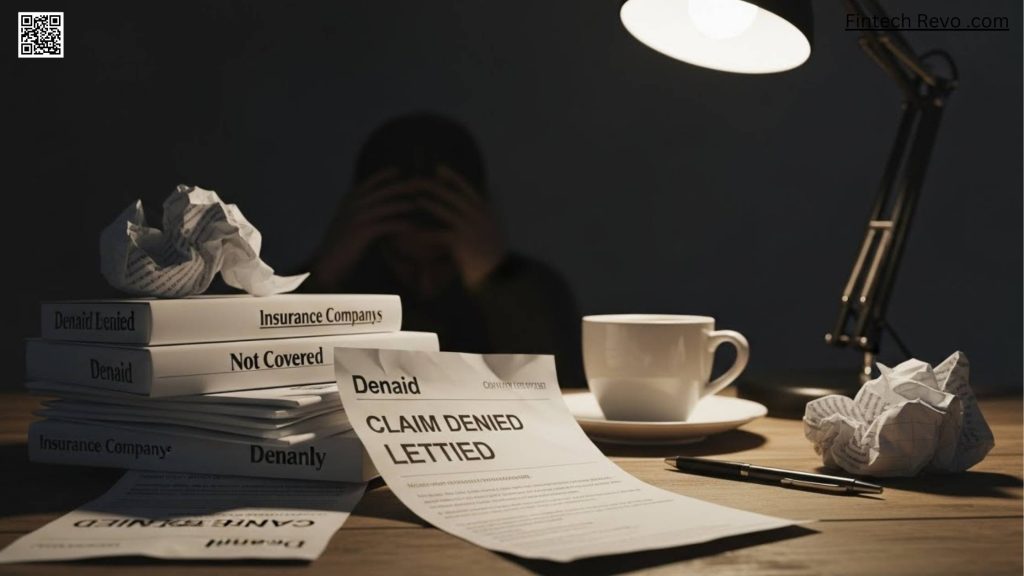
Before we go further, one thing matters. A company can be financially strong and still perform poorly when it comes to claims handling. High revenue does not always mean fair outcomes for customers.
10 Poorly Rated Insurance Companies For Claims Handling
Below is a snapshot of insurers frequently criticized for delayed settlements, denied claims, or difficult claims processes. This table gives a quick overview before we break each one down in detail.
| Insurance Company | Primary Coverage Types | Common Claim Complaints | Regulatory Attention |
| State Farm | Auto, Home | Delays, underpayments | State-level fines |
| Allstate | Auto, Home | Low settlement offers | Multiple lawsuits |
| Farmers Insurance | Auto, Home | Claim disputes | State complaints |
| Liberty Mutual | Auto, Home, Commercial | Slow processing | Regulatory scrutiny |
| Progressive | Auto | Complex claim rules | Consumer complaints |
| Nationwide | Auto, Home | Denial disputes | Legal challenges |
| USAA | Auto, Home | Documentation delays | Member complaints |
| MetLife | Life, Disability | Claim denials | Class actions |
| AIG | Commercial, Travel | Payout disputes | Regulatory actions |
| Travelers | Auto, Home, Business | Coverage interpretation | State investigations |
Each of these companies operates legally and holds required licenses. The issue lies in how claims are assessed, negotiated, and resolved once a loss occurs.
State Farm Claims Experience
State Farm is the largest property and casualty insurer in the United States. With that size comes volume. Millions of claims are filed each year, especially for auto accidents and home damage. The complaints usually focus on underpayment and extended claim timelines.
Many homeowners report receiving repair estimates that are significantly lower than contractor quotes. This creates a gap the policyholder must cover out of pocket or fight through supplemental claims.
Auto policyholders often mention disputes over vehicle valuation. After a total loss, State Farm’s settlement offers may rely on internal valuation tools that do not always reflect local market prices.
Common issues reported by customers include:
- Multiple adjuster changes during a single claim
- Long response times after submitting documentation
- Pressure to accept early settlement offers
State insurance departments have fined State Farm in several states over claims handling practices, especially after natural disasters like hurricanes and wildfires.
Allstate Claim Settlement Concerns
Allstate has faced sustained criticism over its claims philosophy for years. Internal documents from past lawsuits revealed a corporate focus on controlling claim payouts to improve profitability.
Customers often describe the claims process as adversarial rather than supportive. Instead of guiding policyholders through recovery, adjusters may aggressively question coverage details.
Auto accident victims frequently report delays when medical bills are involved. Injury claims may require extensive documentation, repeated reviews, and independent medical exams before payment.
For homeowners, storm damage claims can become lengthy disputes. Roof claims are a common flashpoint, where damage is sometimes classified as wear and tear rather than storm-related loss.
Typical complaints include:
- Low initial settlement offers
- Requests for excessive documentation
- Delayed payments after claim approval
While Allstate continues to operate nationwide, its complaint ratios in several states remain higher than average.
Farmers Insurance Claims Issues
Farmers Insurance markets itself as a customer-friendly brand, but claim experiences often tell a different story. Many policyholders report confusion during the claims process, especially with complex losses.
One recurring issue involves interpretation of policy language. Farmers adjusters may rely on narrow definitions of coverage exclusions, which can surprise customers who believed they were fully protected.
Auto claims sometimes stall when liability is unclear. Instead of advancing partial payments, claims may remain open for extended periods while fault is investigated.
Home insurance complaints often involve:
- Disputes over water damage coverage
- Delays in approving repair work
- Reduced payouts after depreciation calculations
State regulators have logged thousands of complaints over the years, particularly following severe weather events.
Liberty Mutual Claim Handling Problems
Liberty Mutual is a global insurer with both personal and commercial lines. While financially stable, its claims service has drawn criticism from individual policyholders and small businesses.
Customers often describe Liberty Mutual’s claims process as slow and rigid. Adjusters may follow strict internal guidelines that leave little room for flexibility, even when circumstances warrant it.
For auto insurance, delays in vehicle inspections and repair approvals are common complaints. Rental car coverage disputes also surface frequently.
In home insurance cases, customers report difficulty reaching claim representatives once a claim is filed. Communication gaps can stretch the process by weeks.
Frequent concerns include:
- Slow claim acknowledgment
- Limited negotiation flexibility
- Inconsistent adjuster communication
Liberty Mutual has faced regulatory scrutiny in multiple states related to consumer complaint volume.
Progressive Insurance Claim Complaints
Progressive is well known for its digital tools and competitive pricing. However, claims handling does not always match the convenience of policy purchase.
Auto claims dominate the complaint data. Progressive’s tiered claims system can confuse customers, especially when third-party administrators are involved.
Many drivers report that damage estimates come in low, requiring multiple supplements to reach fair repair costs. Injury claims may involve prolonged reviews and negotiation.
Some common policyholder experiences include:
- Confusing claims portals
- Difficulty reaching human representatives
- Delays in total loss settlements
While Progressive settles many claims quickly, the ones that do not fit standard scenarios often take much longer.
Nationwide Insurance Claims Reputation
Nationwide operates across auto, home, and business insurance. While it promotes strong customer service, claim disputes are a recurring theme in consumer feedback.
Policyholders often point to claim denials based on technical policy wording. This is especially common in water damage and business interruption claims.
Auto policyholders sometimes report delays in approving repairs or disagreements over aftermarket parts versus original equipment.
Key issues cited by customers:
- Strict interpretation of coverage limits
- Slow resolution of disputed claims
- Multiple levels of claim review
Nationwide has faced legal challenges related to claims handling practices, particularly after widespread loss events.
USAA Claims Experience Challenges
USAA primarily serves military members and their families. It has long enjoyed a strong reputation, but recent years have brought increased criticism related to claims processing.
As USAA has grown, some members report that service quality has declined. Claims involving major losses, such as total home damage or severe auto accidents, can become slow and paperwork-heavy.
Homeowners sometimes experience delays when third-party inspectors are involved. Auto claims may require multiple rounds of documentation review.
Reported concerns include:
- Longer wait times than in the past
- Increased documentation requirements
- Inconsistent claim communication
Despite these issues, USAA still performs better than many competitors, but expectations are also much higher among its members.
MetLife Claim Denial Issues
MetLife is best known for life insurance, disability coverage, and employee benefits. Claims problems often arise in disability and long-term benefits cases.
Disability claimants frequently report denials based on medical definitions that differ from treating physicians’ opinions. Appeals can take months or even years.
Life insurance beneficiaries sometimes encounter delays due to documentation requirements, even when policies are active and premiums were paid consistently.
Common complaints include:
- Denials based on technical policy language
- Lengthy appeal processes
- Limited transparency during claim reviews
MetLife has faced class action lawsuits related to disability claim practices over the years.
AIG Claims Handling Concerns
AIG operates heavily in commercial insurance, travel insurance, and specialty coverage. Claims issues vary depending on the policy type.
Travel insurance claims often involve disputes over covered reasons for cancellation. Policyholders report that claims are denied due to narrowly defined terms buried in policy documents.
Commercial clients sometimes experience delays when large losses require multiple layers of approval.
Frequently mentioned problems include:
- Complex claims paperwork
- Slow approval processes
- Disputes over policy interpretation
AIG has faced regulatory actions in multiple countries related to claims and disclosure practices.
Travelers Insurance Claims Problems
Travelers provides auto, home, and business insurance nationwide. While generally stable, its claims handling draws criticism in specific areas.
Homeowners often report disagreements over damage causation. Claims may be partially denied if damage is attributed to maintenance issues rather than covered events.
Auto claims can involve delays when multiple vehicles or injuries are involved. Small business owners sometimes face long waits for business interruption claim reviews.
Recurring issues include:
- Narrow coverage interpretations
- Slow dispute resolution
- Communication delays
Travelers has been investigated by state regulators following major catastrophe events.
For updated reviews across finance and consumer services, visit FinTech Revo.Com.
Why Claims Problems Happen So Often
Claims disputes are not always the result of bad intentions. Insurance policies are legal contracts filled with definitions, exclusions, and conditions. Adjusters are trained to apply those terms strictly.
That said, insurers also have financial incentives to control payouts. Delays can reduce claim costs. Low initial offers may result in savings if customers accept them without dispute.
Several factors contribute to poor claim experiences:
- High claim volumes after disasters
- Staff shortages or turnover
- Automated valuation systems
- Outsourced claims administration
Understanding these dynamics helps explain why even large, established insurers can struggle with claims fairness.
How Policyholders Can Protect Themselves
If you are dealing with a difficult claim, preparation matters. Documentation is your strongest tool.
Helpful steps include:
- Keep photos and videos of property before damage occurs
- Save all communication with your insurer
- Request written explanations for denials or reductions
- Get independent repair or medical estimates
In serious disputes, hiring a public adjuster or attorney may be necessary. Many states also offer consumer assistance programs through insurance departments.
Conclusion
Insurance is supposed to provide peace of mind, but that promise breaks down when claims become a battle. The companies listed here are not illegal or fraudulent, but they have built reputations for making claims harder than they should be.
The key takeaway is simple. The cheapest premium often comes with tradeoffs. Claims service quality should matter just as much as price when choosing coverage.
If you are already insured with one of these companies, awareness is power. Know your policy, document everything, and be prepared to push back if a claim feels unfair. When it comes to insurance, what happens after a loss matters more than the name on the policy.
Explore: The 8 Worst Homeowners Insurance Companies In Florida
Frequently Asked Questions
How can I check an insurance company’s claim payout history before buying a policy?
You can review complaint ratios published by state insurance departments, which show how many complaints an insurer receives compared to its size. Consumer protection offices, court records for claim-related lawsuits, and policyholder feedback on claim disputes can also reveal patterns. Looking beyond star ratings and focusing specifically on claims-related complaints gives a clearer picture of payout behavior.
What does it mean when an insurance claim is “under review” for a long time?
When a claim stays under review, it usually means the insurer is verifying coverage details, liability, or damage valuation. In some cases, it can involve internal approvals or third-party inspections. While reviews are normal, extended delays without clear updates may signal internal bottlenecks or disagreement about the claim amount.
Can switching insurance companies affect an existing open claim?
No. Once a claim is filed, it remains with the insurer that covered you at the time of the loss. Switching providers only affects future coverage. However, keeping the old policy documents and claim correspondence is important, as insurers may still request additional information after you cancel or switch policies.
Why do insurance companies ask for repeated documentation during a claim?
Repeated requests often happen when claims pass between multiple adjusters or departments. It can also occur if submitted documents do not match internal valuation systems or policy definitions. While frustrating, responding in writing and keeping dated copies helps protect you if disputes arise later.
Is it normal for insurance claim settlements to be negotiated?
Yes. Many claim payouts, especially for property damage or injury-related losses, involve negotiation. Initial settlement offers are not always final. Policyholders can challenge valuations, submit independent estimates, and request reconsideration if they believe the payout does not reflect actual loss.